

In 2026, IT leaders will not simply adapt to new technology. They will lead fundamentally different ways of working, scaling, and securing digital environments. The most successful organizations will be the ones that integrate AI into the core of their IT strategy, elevate their teams, and build resilient systems that thrive under complexity.
AI will be at the center of this transformation, helping teams automate routine work, predict issues before they arise, and strengthen defenses against evolving threats. This playbook outlines how that future will look, what’s driving it, and what tech leaders will need to embrace to stay ahead.
🧩 Why AI Matters for IT
.IT environments will become more complex by 2026. Organizations will operate across hybrid and multi‑cloud landscapes, distributed infrastructure, and increasingly sophisticated application environments. In this context, AI will help IT teams:
- Monitor performance across networks and cloud environments in real time
- Detect anomalies and emerging issues before they impact operations
- Automate repetitive tasks so engineers focus on strategic outcomes
These capabilities will turn IT from a support function into a strategic driver of business value. According to Gartner, the top strategic technology trends for 2026 highlight AI‑native platforms, AI security systems, and preemptive cybersecurity among the most critical areas for CIOs and tech leaders to act on.
🔄 How AI Improves IT Operations
In the near future, AI for IT Operations (AIOps) will be fundamental to how infrastructure and services are managed. AIOps platforms apply machine learning and analytics across log data and performance metrics to:
- Predict outages and incidents before they happen
- Automate remediation of common issues without manual intervention
- Provide unified observability across on‑premises and cloud systems
The AIOps market is growing rapidly as organizations adopt predictive analytics and automated monitoring. SaaS‑based AIOps solutions are being deployed not just for performance management but also for real‑time threat detection and anomaly identification. Market Growth Reports
By applying AIOps tools, IT teams will see higher uptime, fewer disruptions, and faster resolution of issues that traditionally required hours or even days to diagnose.and slash downtime.
🛡️ How AI Strengthens Cybersecurity
Threats will continue to grow in volume and sophistication in the years ahead, making AI an indispensable part of defense strategies. Next‑generation security platforms will combine real‑time behavior analytics with machine learning to spot subtle signs of compromise that rule‑based tools often miss.
Leading cybersecurity vendors, such as CrowdStrike, Darktrace, and SentinelOne, have already been enhancing their offerings with AI‑driven detection and response features. For instance, CrowdStrike’s Falcon platform integrates AI to improve detection and triage of threats, helping security teams respond faster and with higher confidence. Reuters
AI‑powered security systems will support proactive defense models, where threats are anticipated and neutralized before they spread, rather than just reacted to after they appear.
📈 AI Will Be Mission-Critical
Technology leaders will continue to increase their AI investments as they see measurable impact on both IT performance and business outcomes:
AI spending will rise through 2026. A recent RBC Capital survey found that 90% of organizations plan to increase AI spending in 2026, with a majority already using AI in active production today. Many organizations are treating AI investment as part of core IT and business strategy. Business Insider
Gartner confirms AI’s strategic position. Its top trends for 2026 showcase AI‑native development platforms, preemptive cybersecurity, and domain‑specific models among technologies that will shape future IT operations. Gartner
These trends make it clear that AI will not be an experiment by 2026. It will be a business‑critical layer of IT infrastructure that supports reliability, resilience, and innovation.
🤝 Why IT Will Still Need Experts
Even as AI automates more tasks, humans will remain essential in guiding, interpreting, and governing AI systems. In future, IT leaders will:
- Train and tune AI algorithms so they reflect business context and priorities
- Make ethical and strategic decisions around automation and data handling
- Design governance frameworks to ensure responsible and safe use of AI
The future of IT will not be about replacing human expertise. It will be about augmenting it so teams can focus on work that matters most.
🧑💻 What’s Next for AI in IT
The next era of IT balances human judgment with smart technology.
As AI matures, smart leaders are:
- Upskilling teams to work with AI
- Designing systems that blend machine speed with human judgment
- Building governance to keep automation ethical and secure
According to forward‑looking research and analyst guidance, the leaders in this next era will be those who prepare their organizations now — not later — by aligning people, processes, and AI‑enabled tools to create strategic advantage. Gartner
🚀 A Practical Playbook for IT Leaders in 2026
To lead confidently into 2026, IT leaders will focus on five key areas:
- Embed AIOps across operations to automate detection and remediation
- Integrate AI into cybersecurity to support predictive defense
- Invest in AI literacy and governance to bridge technology and strategy
- Design hybrid human‑AI workflows that enhance team intelligence
- Track technology shifts in areas such as AI‑native platforms, multiagent systems, and preemptive security
By embracing these approaches, organizations will run IT operations that are faster, smarter, more resilient, and better aligned with business goals.
Want real-world AI insights? AI Opportune’s got you covered. Stick around, the best is yet to come.
You May Also Like

AI-Powered Database Operations: AI Becomes the Virtual DBA
Database management has always been a job that demands attention to detail. Now AI is starting to take some of that workload off IT teams. New AI agents…
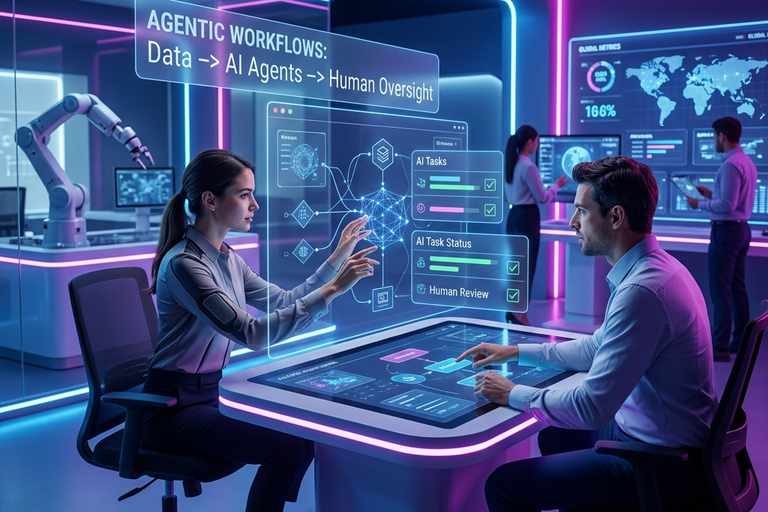
Beyond the Chatbot: The Rise of Autonomous Workflows
Artificial intelligence is moving beyond basic chat windows into autonomous, agentic workflows that drive real business results. This article breaks down how enterprise teams shift from initial experimentation…
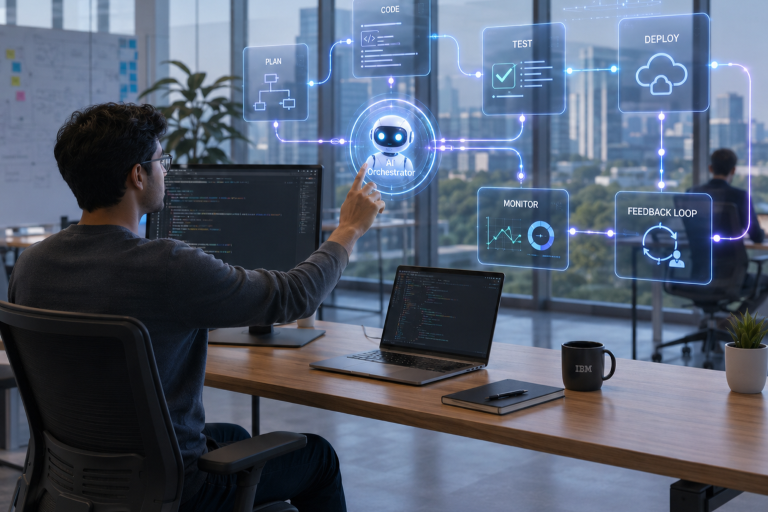
Beyond Copilots: How IBM Bob and Agentic AI Orchestrate the SDLC
Software development in 2026 is no longer a bottleneck of manual syntax; it is an orchestration of intent. As the global AI agent market scales toward $12.06 billion…
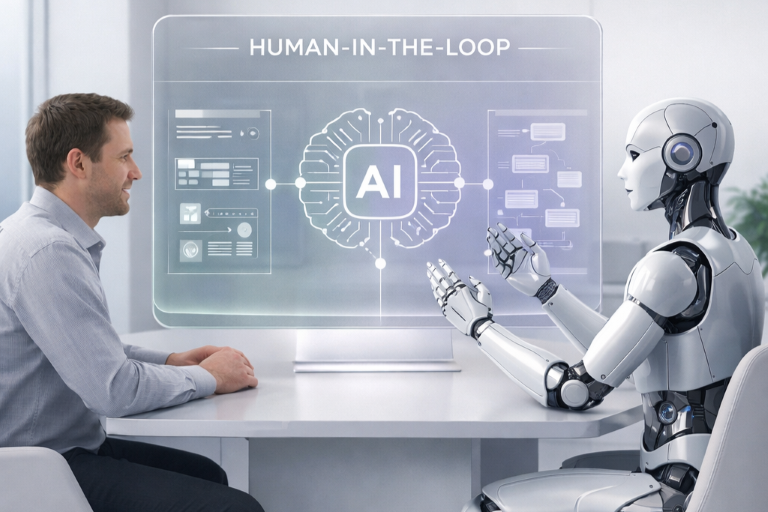
The Second Wave: Why 2026 is the Year AI Moves Beyond the “Efficiency Trap”
For the past three years, the AI narrative was dominated by one word: ROI. Enterprises used LLMs to reduce customer support costs, and individuals used chatbots to summarize…