

Most AI hype is locked in on chatbots and copilots. But the real transformation is happening inside R&D labs and on factory floors. By shrinking physical iteration loops to a bare minimum, companies are rewriting how hardware is actually made.
🧠 From Prototypes to Intelligent Simulation
Why is Canon betting on “prototype-free manufacturing”?
Historically, hardware innovation meant following a slow, repetitive cycle: build, test, break, and fix.
Canon is changing that game. According to their 2026 Integrated Report, the company is embedding AI straight into its core development workflows to simulate design flaws before building a physical prototype.
Instead of waiting for physical builds, engineers are:
- Running virtual drop tests and structural stress analyses.
- Simulating thermal behavior and heat dissipation (such as keeping a high-resolution camera from overheating mid-record).
- Catching issues while they are still cheap to fix.
Key Term Definition: Prototype-free manufacturing is the practice of validating and testing products digitally, completely eliminating the need for iterative physical prototypes.
🏭 AI as Operational Infrastructure
How is AI reshaping factory floors and operations?
AI isn’t just a marketing feature or a software layer; it is the underlying infrastructure of how things are built. Canon’s leadership is pairing factory robots with AI-driven automation and simulation tools.
The practical effects on the production lifecycle include:
- Compressed Cycles: Timelines shrink by shifting testing upstream into the design phase.
- Cost Control: Optimized digital designs prevent material waste and offset rising component expenses.
- High Precision: Automated quality control expands from R&D into high-speed production line inspections.
🚀 Actionable Takeaways for Builders
This shift toward AI-driven simulation applies to almost any development workflow, not just consumer electronics. To stay competitive in 2026, here is how you can build like an insider:
- Find Expensive Iterations: Pinpoint where your team relies on manual testing or trial-and-error, and apply simulation.
- Build Decision Systems: Treat AI as an analytical engine that flags failure risks (such as thermal thresholds or stress points) before you spend time building.
- Embrace the New Standard: Shift your cycle from building and breaking to: Design | Simulate | Validate | Build (once).
🎯 The Bottom Line
In 2026, the true AI revolution isn’t happening in prompts; it’s happening in processes.
When you replace trial and error with digital precision, you don’t just build faster; you build better. And that is the ultimate competitive advantage for the modern builder.
You May Also Like
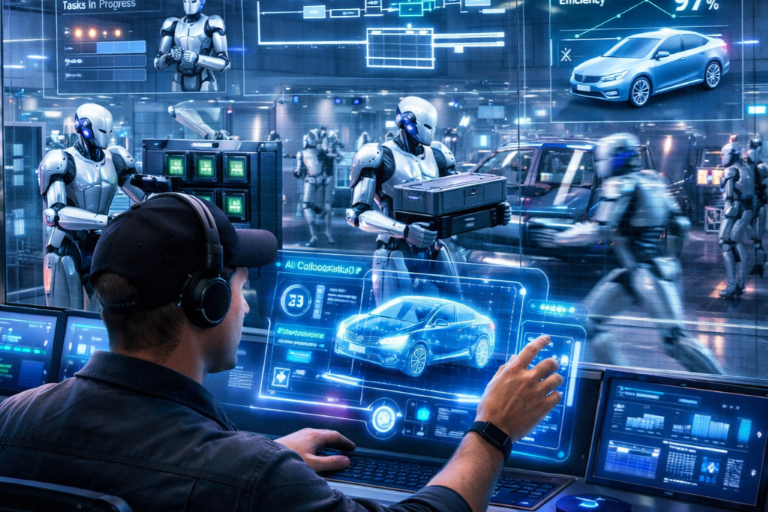
Hyundai’s 2028 Roadmap: Scaling Physical AI at the Georgia Metaplant
Will humanoid robots finally replace manual labor in automotive manufacturing? By 2028, Hyundai Motor Group (HMG) will move beyond the “viral video” stage of robotics, deploying a fleet…
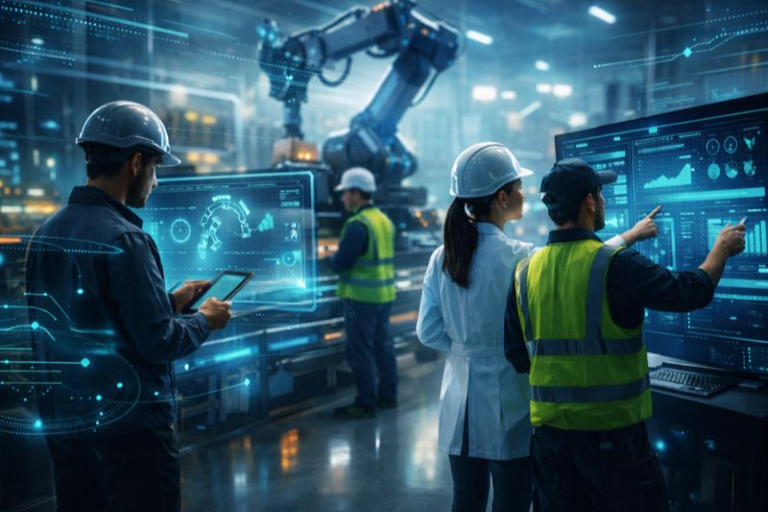
Inside TCL’s Factories: How AI Quietly Became Manufacturing Infrastructure
How TCL Makes AI Work in Real Manufacturing: Practical Lessons from Vertical Integration Who This Is For This piece is for startup founders, product leaders, and operators building…
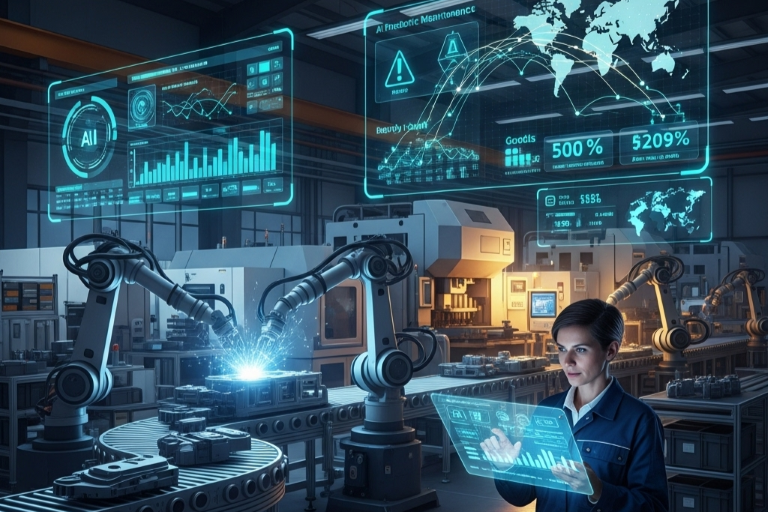
🏭 How AI is Transforming Manufacturing: From Predictive Maintenance to Smart Supply Chains
In 2026, factories don’t just run — they learn. From predictive maintenance that cuts downtime in half to supply chains that reroute themselves in real time, AI is…